
modern
Filtruj po kategorii
Filtruj po formacie
Filtruj po cenie
Liczba pozycji: 5
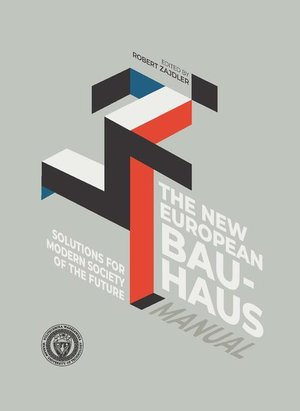
 Michał Beim Dorota Chwieduk Katarzyna Górniak Agnieszka Kaliszuk-Wietecka Piotr Narloch Kinga Pawłowska Robert Rybski Karolina Tulkowska-Słyk Tomasz Tyc Anna Agata Wagner Monika Wróbel Robert ZajdlerThis publication brings together the experiences of academics and practitioners who are concerned with issues related to sustainable development in various social and economic areas. In 11 chapters they discuss how the objectives of the New European Bauhaus could be implemented from both theoretical and practical point of view in everyday social and economic life. In keeping with the historical Bauhaus...
Data dostępności:
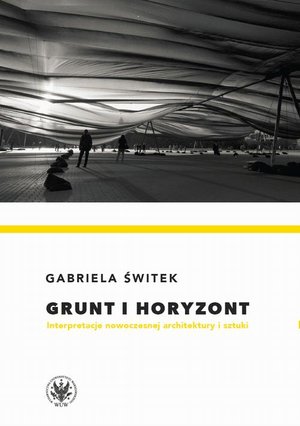
- Autorka buduje interpretacje wybranych dzieł architektury i sztuki wokół pojęć zapożyczonych z nurtów fenomenologii (Hans-Georg Gadamer, Maurice Merleau-Ponty, Hermann Schmitz), psychologii postaci (Rudolf Arnheim, Juliusz Żórawski) oraz współczesnej estetyki atmosfer (Gernot Böhme, Tonino Griffero) i pokrewnych jej teorii architektury (Hubert L. Dreyfus, Alberto Pérez-Gómez, Peter Zumthor). Grunt...
Data dostępności:
- Over the decades, there has been so much to say about leadership. From the economists to entrepreneurs and organisational researches, leadership has always been the talk of the town. And all these discoveries and evolution has brought us all to a single platform of leadership. Now, experts and researchers have been finding out that there is no hard and fast rule of leadership, nor is it some sort of...
Data dostępności:
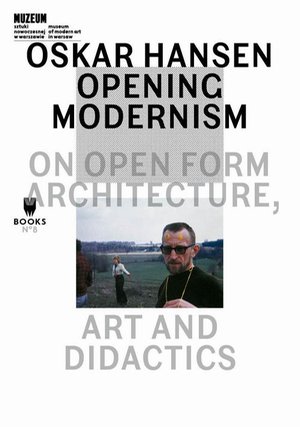
- Following an international conference organized at the Museum of Modern Art in Warsaw in 2013, „Oskar Hansen—Opening Modernism” analyzes diverse aspects of the architectural, theoretical, and didactical oeuvre of Oskar Hansen, who was the Polish member of Team 10, a group of architects that challenged standard views of urbanism more than fifty years ago. In chronicling the impact of Hansen’s theory...
Data dostępności:
- Autorka opisuje nowe technologie stosowane w procesie partycypacji społecznej oraz zależności między danymi i modelem ich wykorzystywania w planowaniu przestrzennym a ideą inteligentnego miasta – smart city. Analizuje procesowy model wykorzystywania danych, definiuje nowe podejście do planowania określane jako procesowe e-planowanie partycypacyjne. Wskazuje też typy danych przestrzennych, które mogą...
Data dostępności:

Filtruj wyniki wyszukiwania
Filtruj po formacie
Filtruj po cenie
Kontakt

Z naszymi konsultantami możesz skontaktować się od poniedziałku do piątku w godzinach 9:00-17:00.